
What Is Head and Neck Cancer?
Head and neck cancer is a group of cancers that start in or around the throat, voice box, nose, sinuses, mouth, or salivary glands. These cancers usually begin in the squamous cells lining the moist surfaces in these areas.
It includes cancers of:
- Oral cavity (lips, tongue, gums, floor of mouth)
- Throat (pharynx, back of the tongue and tonsils)
- Larynx (voice box)
- Nasal cavity and sinuses
- Nasopharynx (back of the nose and mouth)
- Salivary glands
- Middle ear
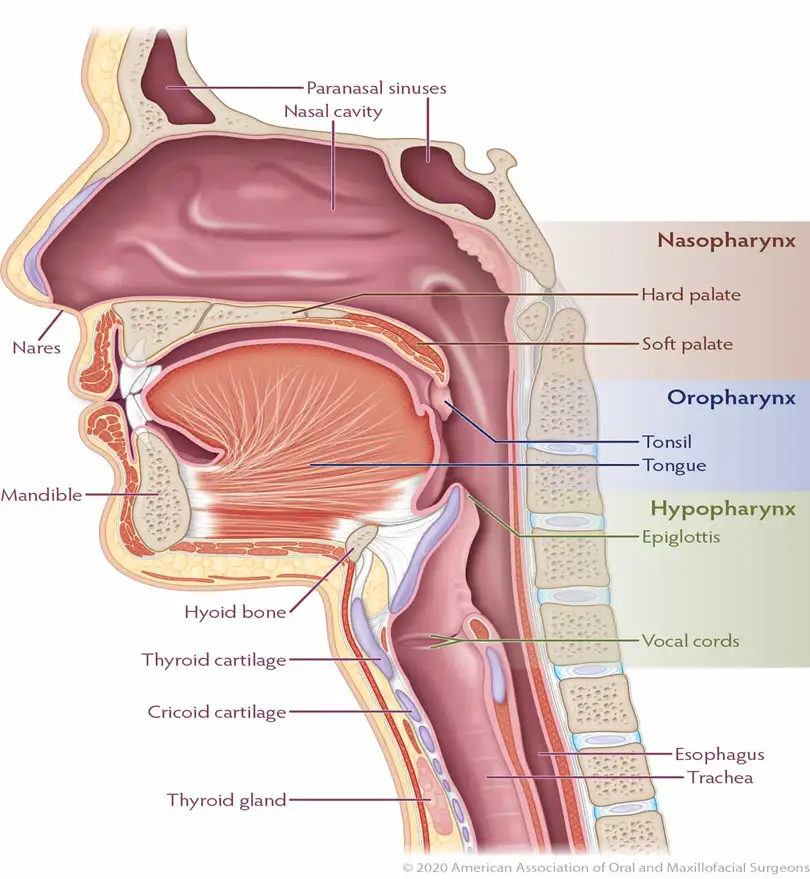
Despite their location, cancers of the oesophagus, brain and eye aren’t generally classified as a head and neck cancers.
Global Head and Neck Cancer Statistics (2022)
According to GLOBOCAN estimates for 2022, head and neck cancers account for nearly 900,000 new cases and over 450,000 deaths globally each year, making them the seventh most common cancer worldwide and the fifth most common in men. Incidence rates are highest in South and Southeast Asia and vary by geographic region, with a higher prevalence in men and in countries where risk factors like areca nut chewing or Human Papilloma Virus (HPV) are common. The male-to-female incidence ratio is roughly 3:1, with about 70% of new cases occurring in low- and middle-income countries.
Who Is at Risk?
- Tobacco and Alcohol: Smoking and heavy alcohol consumption are major risk factors, especially for cancers of the oral cavity, pharynx, and larynx.
- Human papillomavirus (HPV) infection (especially oropharyngeal cancer)
- Age: Most cases occur in people over 50yrs
- Poor oral hygiene
- Prolonged exposure to sun (lip cancer) or certain chemicals
- Occupational Exposures: Exposure to certain workplace carcinogens, such as asbestos and certain chemicals, may increase the risk.
- Weakened immune system
Common Symptoms
- A sore in the mouth or throat that doesn’t heal
- Lump in the neck
- Persistent sore throat or hoarseness
- Difficulty swallowing or speaking
- Nasal congestion or nosebleeds
- Ear pain (especially when swallowing)
- Unexplained weight loss
- Loose teeth or jaw pain
Symptoms can vary depending on the specific location of the cancer.
How Is It Diagnosed?
- Physical exam: Checking the head, neck, and mouth
- Endoscopy: Using a thin tube with a camera to examine internal areas
- Imaging: CT, MRI, or PET scans to view tumour size and spread
- Biopsy: Taking a tissue sample to confirm cancer
- HPV testing (for oropharyngeal cancers)
Staging
Staging is based on:
- T - Tumour size
- N - Lymph node involvement
- M – Metastatic spread to other parts of the body
Stages range from Stage-0 (pre-cancerous), Stage-I (early, localized) to Stage-IV (advanced, spread to other areas).
General Stages of Head and Neck CancerThe stages provide a general overview of the cancer's progression:
Stage 0 (Carcinoma in situ):
Abnormal cells are present in the lining but are contained and haven't spread.
-
Stage 1:
An early stage where the tumour is small and has not spread to the lymph nodes.
Stage 2:
The tumour is larger than in Stage 1 but still has not spread to the lymph nodes.
Stage 3:
The tumour is larger than in Stage 2, or it has spread to a lymph node on the same side of the neck.
Stage 4:
The most advanced stage, where the cancer has spread to nearby tissues, other areas of the head and neck, or to distant parts of the body (metastasis).
Treatment Options
Treatment depends on the cancer type, stage, and patient’s health:
Surgery
To remove the tumour and possibly affected lymph nodes
May be followed by reconstructive procedures
Radiation Therapy
Common in early-stage cancers or combined with other treatments
Can preserve voice and appearance in some cases
Chemotherapy
Often used with radiation in advanced cancers
Targets fast-growing cancer cells
Targeted Therapy
Drugs like cetuximab target specific cancer growth factors
Immunotherapy
Boosts the body’s natural defences to fight cancer (e.g., pembrolizumab)
Living With Head and Neck Cancer
- Side effects may include dry mouth, difficulty speaking or swallowing, and changes in appearance
- Rehabilitation may include speech therapy, nutritional support, or reconstructive surgery
- Emotional and psychological support is crucial
- Follow-up care is important to monitor for recurrence
Prevention Tips
- Avoid tobacco and alcohol
- Get HPV vaccination
- Maintain good oral hygiene
- Use sun protection on lips
- Get regular dental and health check-ups
FAQs about Head and Neck Cancers
What are the Treatment Options?
-
Treatment options depend on the type and stage of the cancer and may include:
- Surgery: Removal of the tumour.
- Radiation therapy: Uses high-energy rays to kill cancer cells.
- Chemotherapy: Uses drugs to kill cancer cells.
What is the Outlook?
-
Head and neck cancers are potentially curable, especially if found and treated in their early stages.
-
Treatment success can depend on the type of cancer, the patient's general health, and how they respond to treatment.
When Should I See a Doctor?
See a doctor if you have any of the symptoms listed above that do not go away.
Symptoms like a mouth ulcer lasting more than three weeks or a persistent sore throat should be investigated by a specialist.
Are Head and Neck cancers inked to Genetics?
A family history of squamous cell carcinoma may increase the risk for oral, throat, or tongue cancers.
Where can I find a Specialist for Head and Neck Cancer?
You can search your Head and Neck Cancer Specialist on www.ioncosolutions.com